
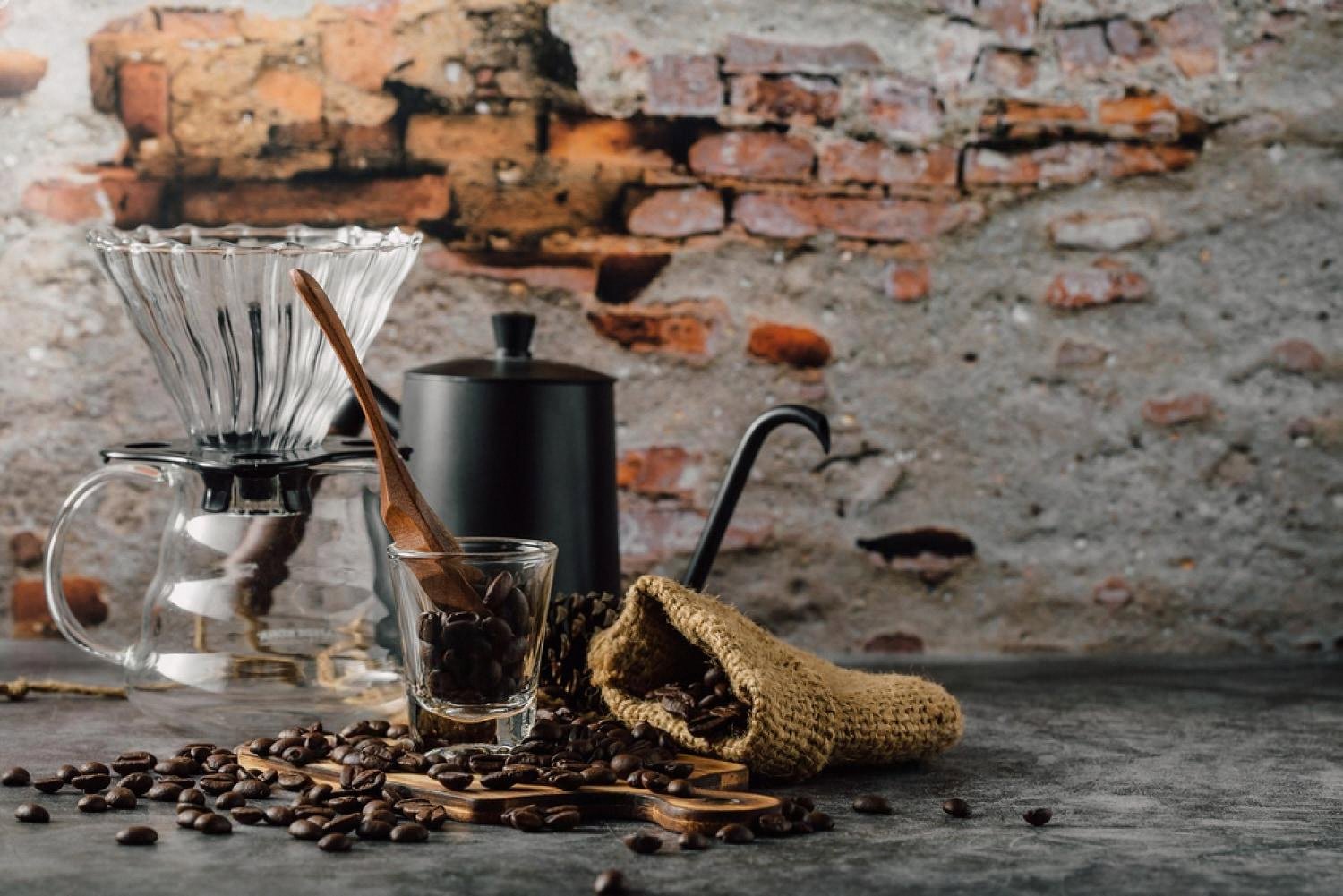
Flavour, decoded
What makes specialty coffee taste so different from the cup you had yesterday
Specialty coffee is not a marketing badge. It is a specific quality tier, a farming approach and a processing philosophy that together explain why two brown beans from two farms can taste like grapefruit or like dark chocolate. In the UAE, where third-wave cafes have multiplied across Dubai, Abu Dhabi and Sharjah, understanding these differences turns everyday coffee drinking into something much closer to wine tasting.
Definition
What actually counts as specialty coffee
The Specialty Coffee Association defines specialty coffee as green coffee that scores 80 points or more on a 100-point cupping scale, with fewer than five full defects per 350 grams. That sounds bureaucratic, but the practical effect is enormous. It means the cherries were picked ripe, the beans were sorted, the processing was controlled, and the roaster can point to the farm, the variety and the elevation. Commercial coffee, by contrast, is blended from many origins for consistency and price, not for character.
In the UAE, most third-wave roasters follow this same protocol. When you buy specialty coffee beans online in the UAE the bag usually lists the country, region, farm, variety, processing method and roast date. Every one of those data points changes the flavour in your cup.
Species, variety and why the plant matters
Arabica
Arabica accounts for roughly 60 percent of world production and nearly all specialty coffee. It grows best at high altitude, has lower caffeine and carries more sugars and aromatic compounds. Sub-varieties like Bourbon, Typica, SL28, Gesha and Pacamara each have their own flavour fingerprint. Gesha from Panama, for example, is famous for jasmine and bergamot notes that fetch record auction prices.
Robusta and fine Robusta
Robusta has almost twice the caffeine, more bitterness and thicker body. It dominates instant coffee and traditional Italian espresso blends. A small but growing category, fine Robusta, is now scored under a specialty protocol too, though most specialty roasters in the region still work almost exclusively with Arabica.
Origin
Altitude, soil and climate write the first draft of flavour
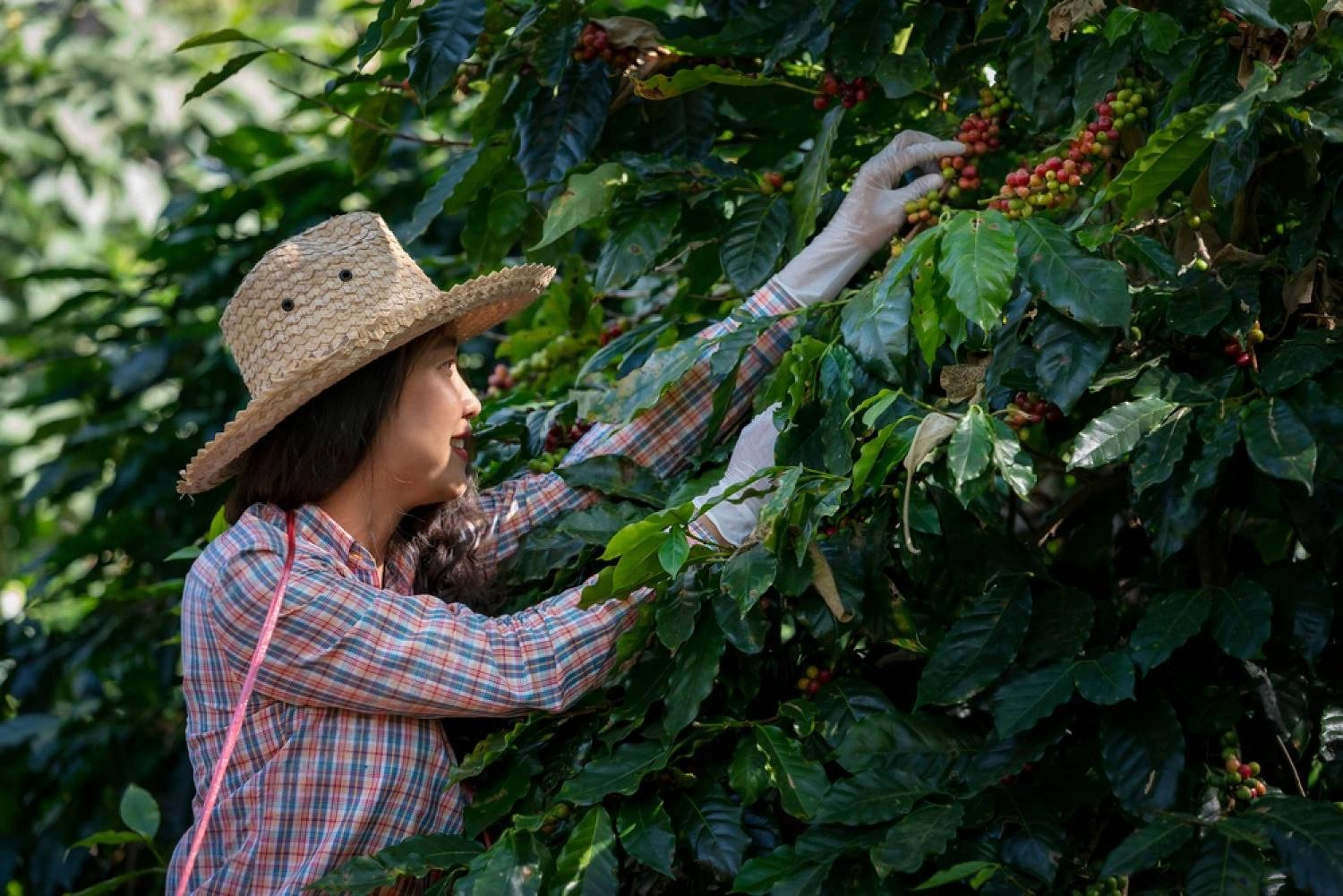
Coffee is an agricultural product, so terroir matters. Higher altitude means cooler nights, slower cherry ripening and denser beans, which usually translates to brighter acidity and more complex aromatics. Volcanic soils in Guatemala or Ethiopia add minerality. Rainfall patterns decide sugar development. Even the shade trees on the farm influence the final cup.
- Ethiopian Yirgacheffe: floral, tea-like, lemon and bergamot
- Kenyan AA: blackcurrant, tomato, high malic acidity
- Colombian Huila: caramel, red apple, balanced body
- Brazilian Cerrado: nutty, chocolate, low acidity
- Yemeni Mocha: winey, dried fruit, spice
Yemen deserves a mention for regional readers. It is one of the oldest coffee cultures on earth and its beans, grown in terraced highlands, remain a benchmark for heritage flavour. Many UAE roasters stock Yemeni lots when the harvest allows.
Processing: the same cherry, four very different cups
After the cherries are picked, farmers have to remove the fruit and dry the seed. How they do that has arguably as much impact on flavour as the origin itself.
- Washed (wet) process. The fruit is pulped off, the beans ferment in water for 12 to 72 hours, then dry. The result is a clean cup where the origin character shows clearly. Acidity is usually pronounced.
- Natural (dry) process. Whole cherries dry in the sun for weeks. Sugars and fruit compounds soak into the bean. You get heavier body, syrupy sweetness and berry or wine notes.
- Honey process. The skin is removed but sticky mucilage stays on during drying. It sits between washed and natural: balanced sweetness with some fruit lift.
- Anaerobic and carbonic maceration. Cherries ferment in sealed, oxygen-free tanks. This modern technique produces intense, sometimes wild flavours: cinnamon, tropical fruit, even bubblegum.
The next decade of specialty coffee will be defined less by new origins and more by new fermentation techniques. Processing is where the biggest flavour surprises live.
Roast
Where heat meets chemistry
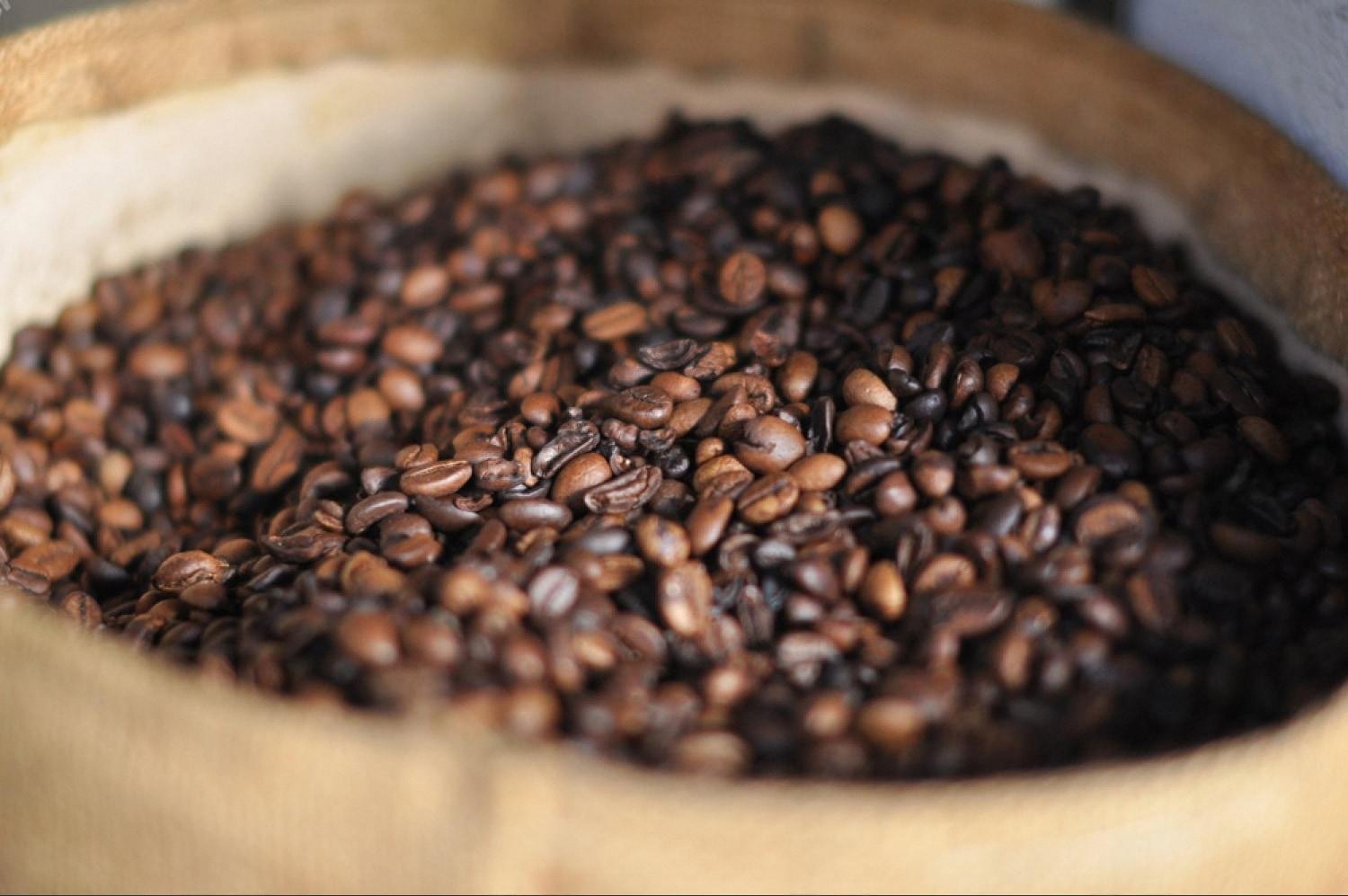
Roasting triggers the Maillard reaction and caramelisation, which build hundreds of new aromatic compounds. Light roasts preserve origin character, acidity and delicate aromatics. Medium roasts balance origin with roast sweetness, giving caramel and nutty tones. Dark roasts push into bittersweet, smoky, chocolate territory but bury the subtle notes that made a specialty lot expensive in the first place.
- Light roast: best for filter, pour-over and lots with fruit-forward profiles
- Medium roast: the flexible middle, works for filter and espresso
- Medium-dark: classic espresso territory, richer body
- Dark roast: heavy body, low acidity, roast flavour dominates
Single-origin versus blends
Beans from one farm, cooperative or region. Highlights the specific character of that place and harvest. Best for filter brewing where you want to taste the origin clearly. Flavour changes as the crop rotates through the year.
Two or more origins combined to hit a target flavour. Roasters use blends for consistency across seasons and to build espresso profiles that hold up with milk. A well-built blend is not a compromise, it is a composition.
Understanding tasting notes without the mystique
When a bag says “blueberry, dark chocolate, brown sugar,” no one added those ingredients. Those are the closest reference points a trained taster found in the naturally occurring aromatic compounds. Coffee contains more than 800 volatile aromatics, more than wine. Your brain matches what it smells to foods it already knows.
Common categories to recognise: floral (jasmine, rose), citrus (lemon, bergamot, orange), stone fruit (peach, apricot), berry (blueberry, strawberry), nutty (almond, hazelnut), caramel (brown sugar, honey), chocolate (cocoa, dark chocolate) and spice (cinnamon, clove). The more you taste side by side, the faster your vocabulary grows.
Freshness
Why roast date matters more than best-before
Fresh roasted coffee releases carbon dioxide for several days, a process called degassing. Brewing too soon (day one or two) usually gives a sour, uneven cup. The sweet spot for most beans is roughly 7 to 21 days after roast for filter, and up to 30 days for espresso. Past six weeks, aromatics fade quickly, even in a sealed bag.
Always look for a roast date on the bag, not a distant best-before date. If a bag only shows an expiry two years away, treat it as commercial coffee.
Grind, water and extraction
A brewed coffee is roughly 98.5 percent water, so your water quality is not a detail. Use filtered water with balanced mineral content. Grind size controls how fast water pulls flavour from the coffee: too coarse and the cup is thin and sour, too fine and it becomes bitter and astringent. Match the grind to the brewer:
- Espresso: very fine, like table salt turned smaller
- Moka pot: fine
- V60 / pour-over: medium-fine, like beach sand
- Chemex: medium-coarse
- French press: coarse, like breadcrumbs
- Cold brew: very coarse
A basic rule of thumb: 60 grams of coffee per litre of water, adjusted to taste.
How to taste like a professional
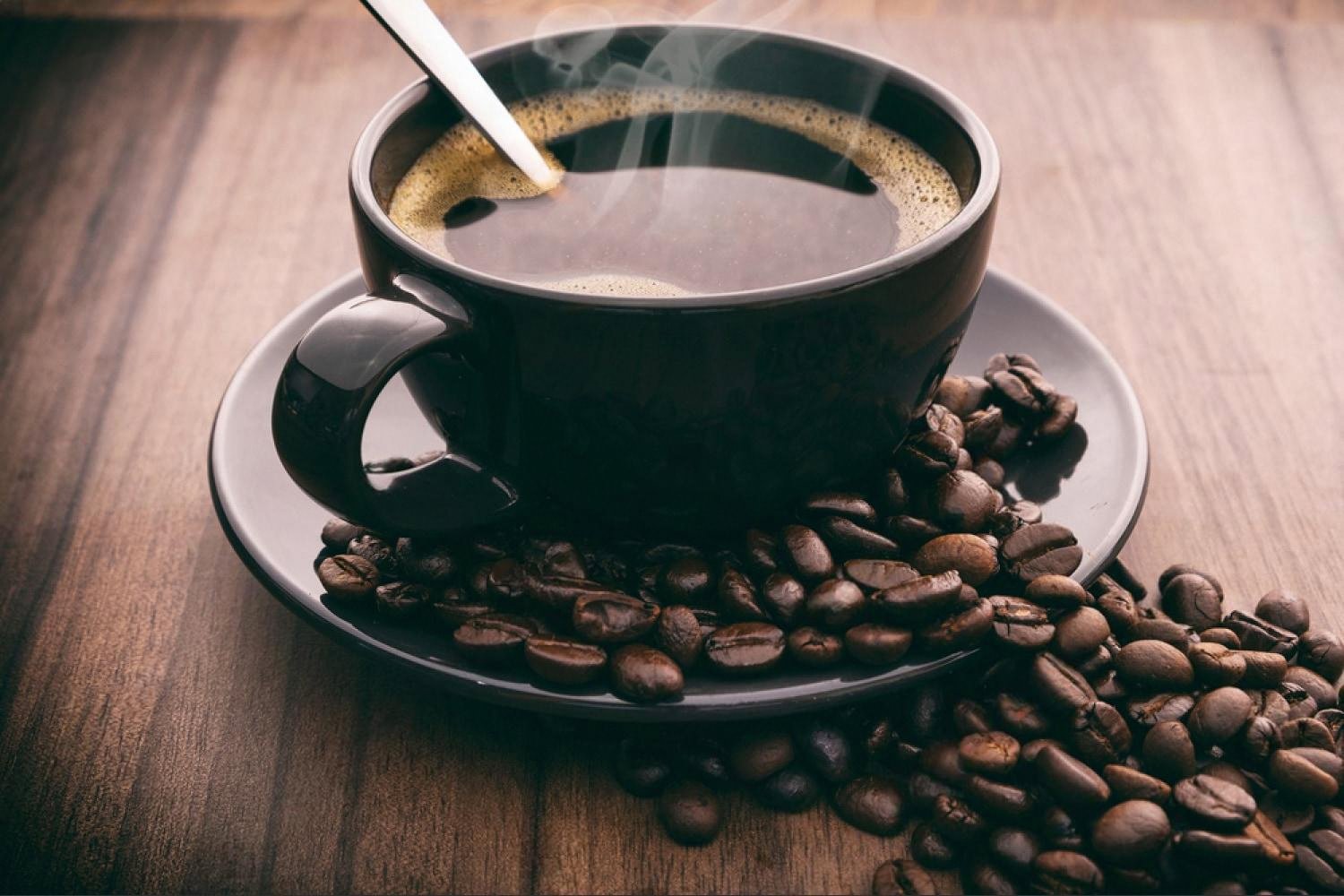
- Smell the dry grounds. Note the first aromas that come up.
- Smell again after adding hot water. The bloom releases the strongest aromatics.
- Slurp a small sip. Slurping aerosolises the coffee across your palate.
- Rate five elements. Aroma, acidity, sweetness, body and finish.
- Let it cool. Coffee reveals more sweetness and clarity at 40 to 50 C than piping hot.
Buying guide
Choosing beans that match your taste
If you like bright, tea-like cups, look for washed Ethiopian or Kenyan lots at a light roast. If you prefer syrupy sweetness and fruit, try natural Ethiopian or a Brazilian pulped natural at medium roast. For milk drinks and espresso at home, a medium-roasted Latin American blend or a chocolate-forward Colombian single-origin works well. If you want to explore, ask any good specialty coffee shop in Dubai for a tasting flight, most will pour you samples across profiles.
Storage rules
- Keep beans in an airtight, opaque container
- Store at room temperature, away from the oven
- Do not freeze beans you use daily, humidity ruins them
- Grind only what you brew, within seconds of brewing
- Buy amounts you will finish in three to four weeks
The trend outlook for specialty coffee in the UAE
Four shifts are shaping the next few years in the region. First, more homegrown roasters are direct-sourcing microlots instead of buying through importers, so traceability keeps improving. Second, experimental fermentation is going mainstream, expect more anaerobic and thermal shock lots on cafe menus. Third, filter coffee is finally competing with espresso and milk drinks, driven by younger drinkers who want to taste origin clearly. Fourth, sustainability, from farmer payment transparency to compostable packaging, is becoming a purchase criterion, not a nice-to-have.
The takeaway for a home drinker is simple. The gap between an average cup and a great cup is not price, it is information. Once you know what altitude, variety, processing and roast date do, you can walk into any roaster in the country and choose beans with intent.
Frequently asked questions
What is the difference between specialty and premium coffee?
Premium is a marketing term with no fixed definition. Specialty is a defined quality tier: green coffee that scores 80 points or more on the SCA cupping scale, with strict defect limits and full traceability back to the farm or cooperative.
In practice, a specialty bag will always show the origin, variety, processing method and roast date. A premium bag usually shows only a country and a roast level.
Should I buy whole beans or ground coffee?
Whole beans, every time, if you can. Ground coffee loses most of its aromatics within 15 to 30 minutes of grinding because the surface area exposed to oxygen multiplies enormously.
A basic burr grinder pays for itself quickly in cup quality. If you must buy ground, order small quantities and match the grind to your brewer.
Which roast level is best for specialty coffee?
There is no single best roast, it depends on the brewing method and the bean. For filter and pour-over that showcase origin character, a light to medium roast usually works best. For espresso and milk drinks at home, medium to medium-dark is more forgiving and gives a rounder body.
Trust the roaster’s recommendation on the bag, they roasted specifically to bring out that lot’s strengths.
Does specialty coffee have more or less caffeine?
Roughly the same or slightly less. Caffeine content depends mainly on the species: Arabica has about half the caffeine of Robusta. Since specialty coffee is almost always Arabica, expect around 80 to 100 mg per standard espresso shot.
Roast level barely changes caffeine content. Dark roasts do not have significantly more or less caffeine than light roasts, that is a common myth.
How long does specialty coffee stay fresh after roasting?
The peak window is roughly 7 to 21 days after roast for filter brewing, and up to 30 days for espresso. After six weeks, aromatics fade noticeably even in a sealed bag with a one-way valve.
Store beans in an airtight, opaque container at room temperature and only grind what you need for the next brew.
Why does the same coffee taste different when I brew it two ways?
Brewing method changes extraction. Espresso uses high pressure and a short contact time, concentrating body and intensity. Pour-over uses gravity and a longer contact time, highlighting clarity and acidity. French press keeps all the oils and fines, giving a heavier mouthfeel.
Grind size, water temperature and ratio also shift the balance between sour, sweet and bitter compounds. Small changes to any variable produce very different cups.
Is expensive coffee always better?
Not automatically, but price often reflects real costs: high altitude, hand-picking ripe cherries, careful processing, small-lot roasting and short supply. Rare varieties like Gesha or competition-winning microlots command a premium because production is genuinely small.
For everyday drinking, mid-priced specialty beans from established origins usually give the best flavour per dirham. Save the rare lots for weekend brewing when you can pay attention.

I am a traveler, blogger, and adventure seeker from Russia.
Traveling is not just a change of places, but a way of life, a way to learn about the world, meet amazing people, and discover new horizons.