
Consumer psychology
Two identical scratches, two very different reactions
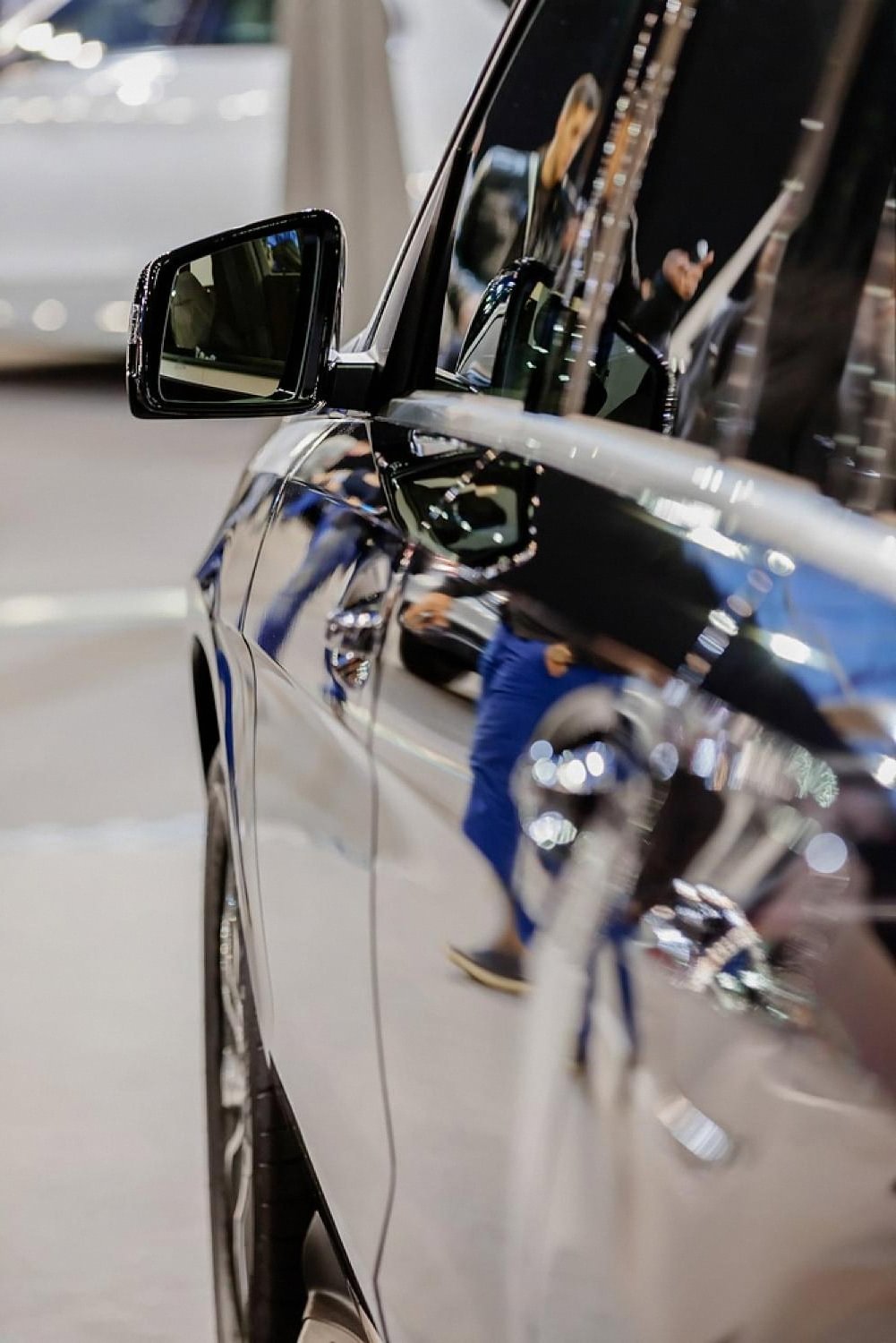
A shallow swirl mark on a new Range Rover in Jumeirah can trigger a same-day booking at a detailer. The exact same mark on a five-year-old Nissan Sunny in Al Quoz gets shrugged off for months. The car did not change. The owner’s relationship to the car did.
The gap between those two reactions is where the psychology of car ownership lives, and where a lot of money quietly moves.
Cars in the UAE are rarely just transport. They are a personal signal, a family asset, and often the second-largest purchase a household makes after property. That mix, part utility, part identity, is what makes protection behaviour so uneven from one driveway to the next. Some cars get treated like heirlooms. Others get treated like appliances.
Behavioural economists have a name for part of this pattern: the endowment effect. Once we own something, we value it more than the market does. But ownership alone does not explain the split. The stronger the emotional bond, the higher the perceived loss from any damage, and the more the owner will pay to prevent it.
The trade-off owners are actually making
Protect early, spend once
- Resale value holds because paint stays factory-fresh
- Fewer body-shop visits, less time off the road
- Pride of ownership stays high, which extends how long the car is kept
- Insurance claims for cosmetic damage drop noticeably
Delay and react
- Cheaper in month one, more expensive by year three
- Stone chips and desert sand etching become permanent
- Owner loses emotional attachment as the car looks tired
- Trade-in value drops faster than the odometer would suggest
Why luxury owners protect immediately and economy owners wait
Talk to any detailer in Al Quoz or Al Quoz Industrial and you will hear the same story. A Lamborghini Urus or a G63 usually arrives before the plates are even fitted, with the owner asking about paint protection film for the full front end. A budget hatchback from the same dealership rarely comes back for anything beyond a wash.
Part of this is simple maths. Repainting a bonnet on a supercar can cost more than a full year of servicing on a compact sedan. But the bigger driver is loss aversion, a concept popularised by Daniel Kahneman and Amos Tversky. Losses feel roughly twice as painful as equivalent gains feel good. When the object is a AED 900,000 car, that pain signal is loud enough to justify AED 15,000 in protection before the odometer hits 100 km.
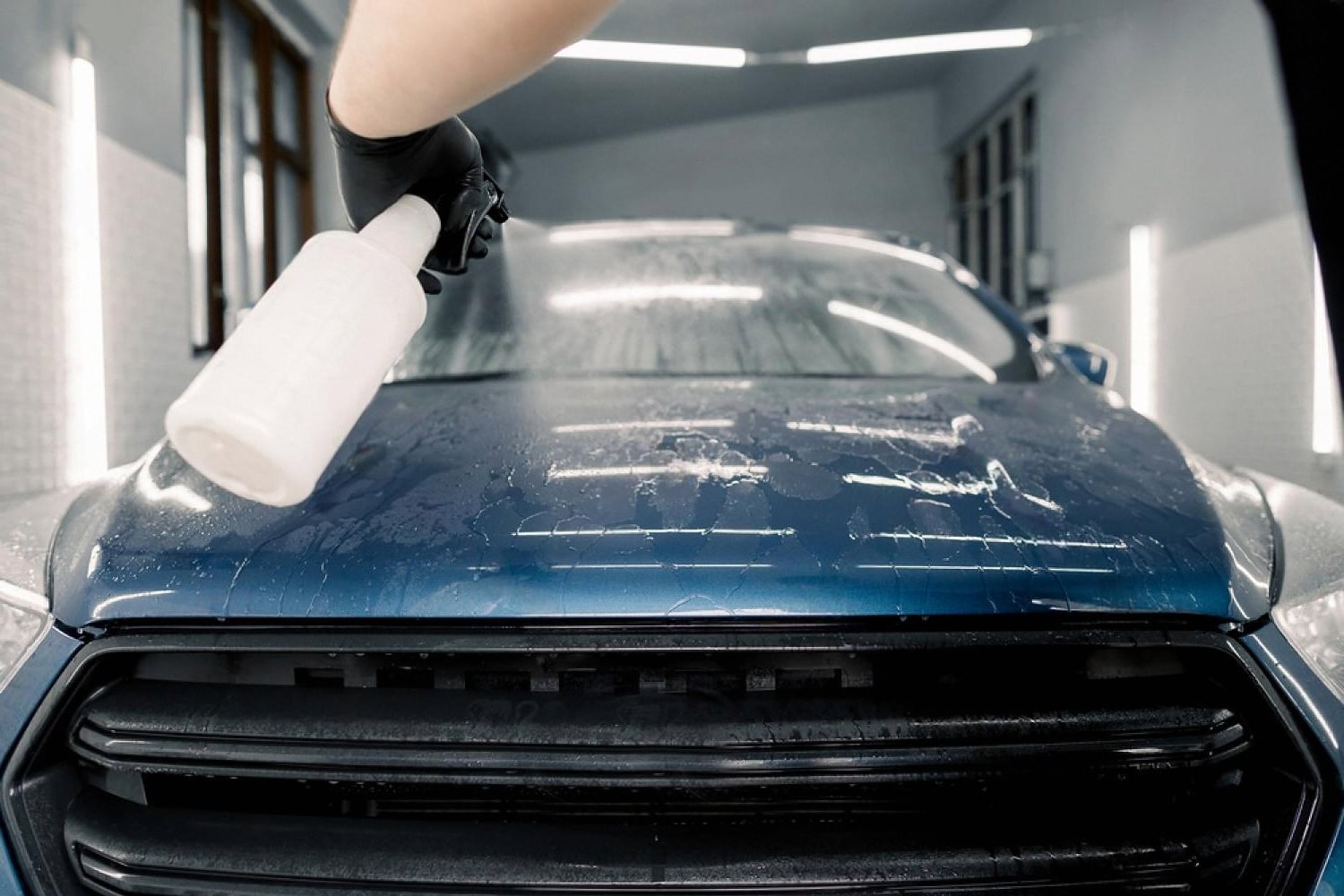
Economy owners are not being careless. They are running a different calculation. If a car cost AED 60,000 and will be sold in four years for maybe AED 25,000, a AED 5,000 protection package feels disproportionate. So they wait, and the wait usually stretches until the first visible damage, which is exactly when protection stops being preventative and starts being cosmetic repair.
Owner types
Four ways UAE drivers relate to their cars
- The first owner. Bought new, treats the car as an extension of self. Spends the most on early protection, keeps service records like a passport.
- The second owner. Bought used, often at a discount. Rational, price-sensitive, invests only in what preserves resale for the next handover.
- The lessee. Two or three years, someone else’s problem at the end. Minimum protection, sometimes none. Cosmetic damage becomes an end-of-lease negotiation.
- The collector and the enthusiast. Treats the car as an appreciating asset or a personal project. Spends without a spreadsheet, because the value here is emotional and rarely liquid.
What the data says about protection, driving and claims
One counterintuitive finding from insurance patterns is that owners with visible investment in their cars, ceramic coatings, full-body film, custom detailing, tend to file fewer minor cosmetic claims. Not because they crash less, but because they drive with more care. The car has become something to preserve rather than to use up.
This lines up with older research on the endowment effect. The more we invest in an object, the more we perceive it as part of ourselves, and the more careful we become. It is the same reason people who wash their own car weekly tend to park further from other vehicles at the mall.
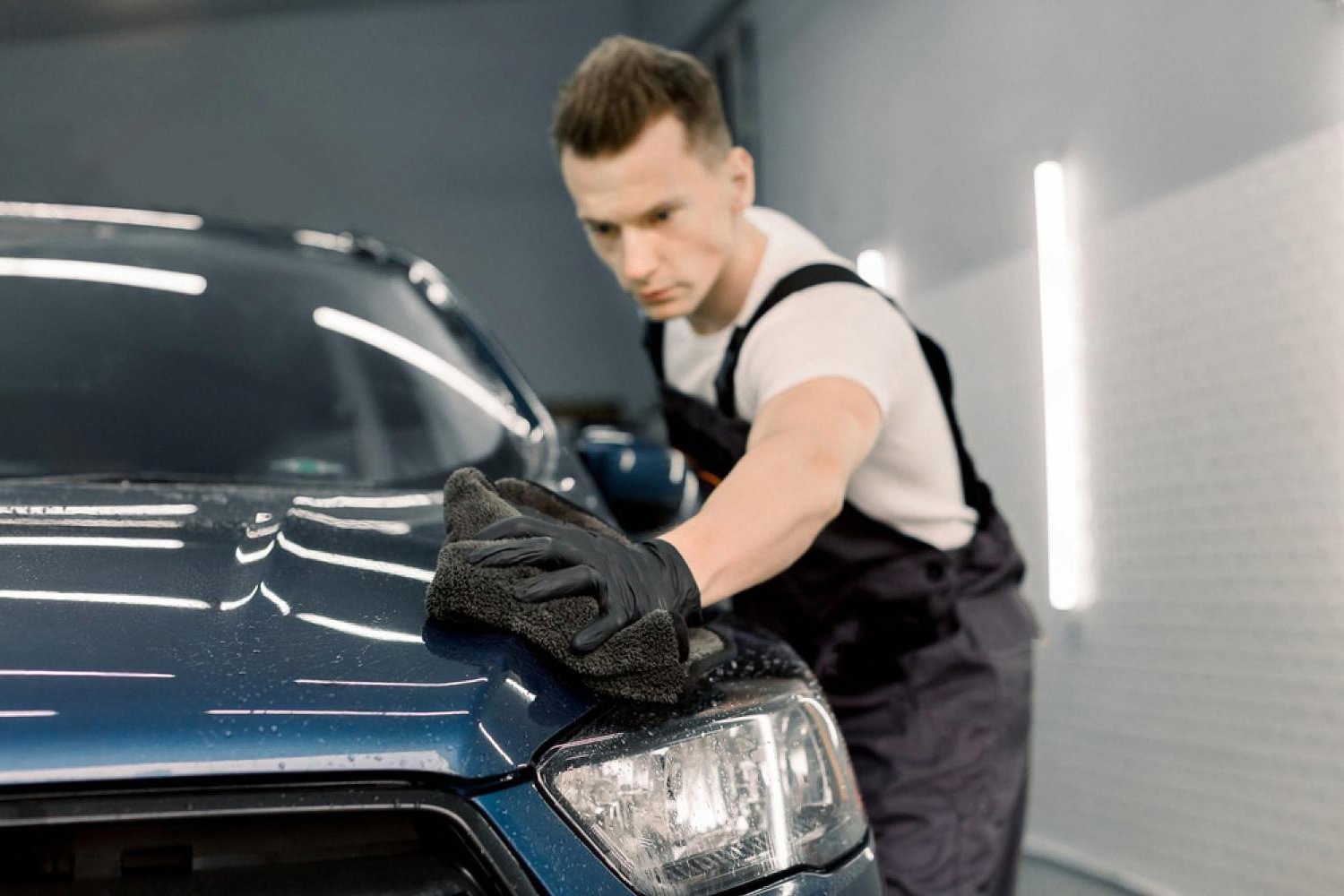
Fleet owners sit at the opposite end of this spectrum. When a car is one of two hundred, the emotional bond is zero. The decision to invest in car protection film becomes a straight cost-per-kilometre calculation, and it usually loses to a cheaper wash rota.
Enthusiasts flip the same maths in the other direction. A modified GT-R or a restored Patrol from the 1990s can attract more protection spend than a brand-new luxury sedan, because the emotional replacement cost, the effort, the search, the memories, is effectively infinite.
If you want the psychology to work for you
Decide the horizon first
Two years or ten? Protection budgets should scale to how long the car stays with you, not to the sticker price on delivery day.
Front-load the spend
Film and coatings applied to factory paint always outperform repairs applied later. The UAE sun and sand are not patient.
Match protection to use
A weekend car needs different care from a Sharjah-to-Dubai commuter. Honest use patterns beat aspirational ones every time.
The final piece is honesty. Most owners spend on the cars they love, and neglect the cars they merely use. Neither is wrong. What matters is knowing which category your car falls into before you sign anything, because the psychology will guide the wallet whether you notice or not.
Frequently asked questions
Why do luxury car owners in the UAE protect their cars immediately after purchase?
Loss aversion. On a premium car, even minor damage can cost tens of thousands of dirhams to repair, and any deviation from factory condition hits resale value hard. Protection film and coatings act as insurance against a very specific fear, that the car will not stay as new as it looked on collection day.
There is also a social element. Luxury owners in the UAE tend to view their cars as extensions of personal brand, so protecting the finish is not vanity, it is identity maintenance.
Is paint protection film worth it for a mid-range family car?
It depends on how long you plan to keep the car. If you are the first owner and expect to drive it for five or more years in the UAE climate, a partial film package on the bonnet, front bumper and mirrors usually pays back through better resale and fewer touch-up jobs.
If you are leasing or planning to sell within two years, a good ceramic coating often makes more financial sense than full film.
Does detailing actually change how people drive?
Anecdotally, yes. Owners who invest in professional detailing tend to park further from other cars, avoid tight lanes and are more selective about who else drives the vehicle. The behaviour comes from the endowment effect: once you have poured time and money into the finish, damaging it feels much more personal.
Why do second owners spend less on protection?
Second owners usually buy at a discount and plan a shorter ownership window. Their calculation is about preserving what value remains for the next handover, not maximising long-term condition. That leads to smaller, targeted spends: a good polish, interior refresh, maybe headlight restoration, rather than full-body film.
How do fleet owners think about protection differently from individuals?
Fleets treat cars as depreciating tools with a fixed operating cost per kilometre. Emotional attachment is zero, so protection decisions are made on spreadsheets. If a coating cannot demonstrably reduce repaint costs or improve resale at auction, it will not be approved, regardless of how well it performs cosmetically.
Does the endowment effect really apply to cars, or is it a myth?
It applies, and cars are one of the clearest real-world examples. Studies in behavioural economics repeatedly show that owners value their own vehicles higher than the market does, sometimes by 20 to 40 percent. That gap between market price and perceived value is exactly the psychological space where protection spending happens.
Why does the UAE climate make protection decisions more urgent?
Sand, heat, humidity and strong UV are unusually harsh on automotive paint. Fine dust acts like sandpaper during even a careful wash, and prolonged sun exposure fades unprotected finishes within a few years. Owners who delay protection in the UAE tend to see paint issues appear faster than they would in cooler climates, which shifts the cost equation towards earlier intervention.

I am a traveler, blogger, and adventure seeker from Russia.
Traveling is not just a change of places, but a way of life, a way to learn about the world, meet amazing people, and discover new horizons.