
The science of play
Between birth and age five, a child’s brain is building itself at a pace it will never match again. In the UAE, where families juggle screens, structured tutoring and busy schedules, the humble toy on the living-room rug is doing more cognitive work than most parents realise. This guide unpacks what neuroscience actually says about play, and how to choose toys that match what a growing brain needs at each age.
Why play matters
Play Is the Work of Childhood
The phrase “play is the work of childhood” is usually credited to developmental psychologist Jean Piaget, and modern imaging studies keep proving him right. When a toddler stacks a block or a seven-year-old works through a logic puzzle, the same brain regions that adults use for planning, problem-solving and self-control light up. Play is not a break from learning. It is the learning.
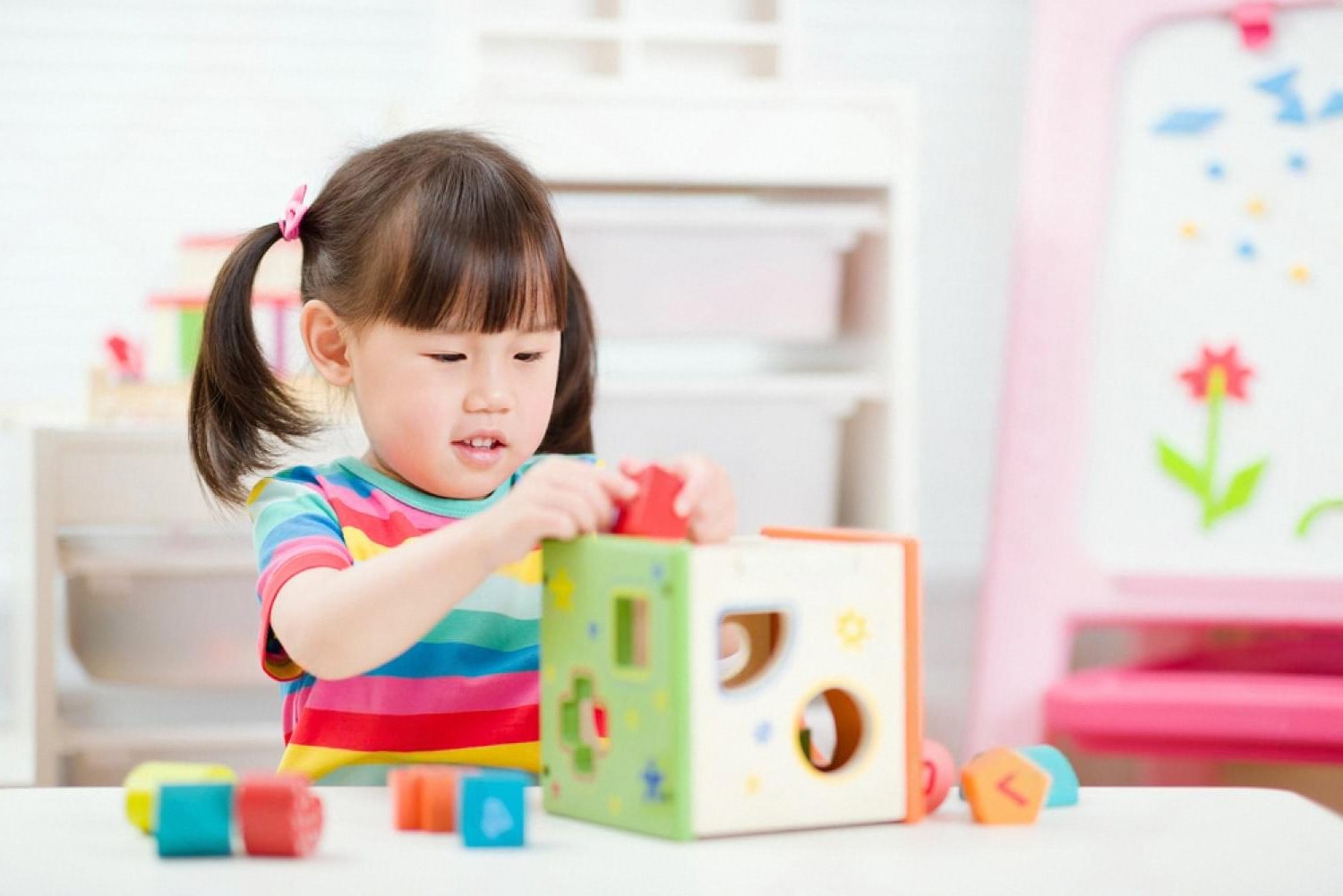
Well-designed educational learning toys matter because they turn open play into deliberate practice. A shape sorter is not just entertaining a one-year-old; it is training spatial reasoning, hand-eye coordination and cause-and-effect thinking in the same twenty minutes.
Stage by stage
How Children’s Brains Develop, from 0 to 12
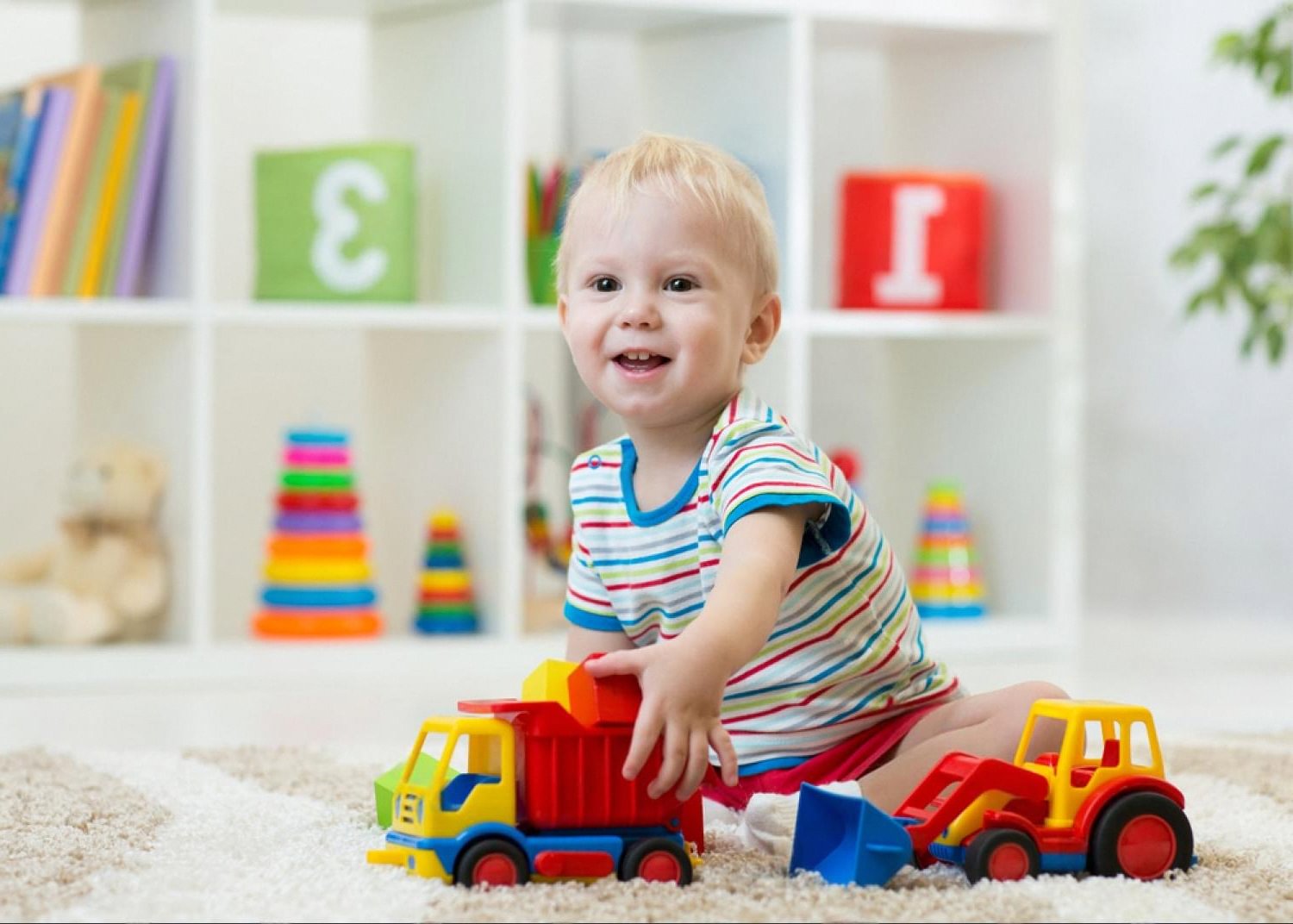
Every age needs a different kind of stimulation. A toy that thrills a two-year-old will bore a nine-year-old, and a strategy game that engages a pre-teen will frustrate a toddler. Matching the toy to the stage is what separates a useful purchase from a shelf ornament.
0 to 12 months: the sensory brain
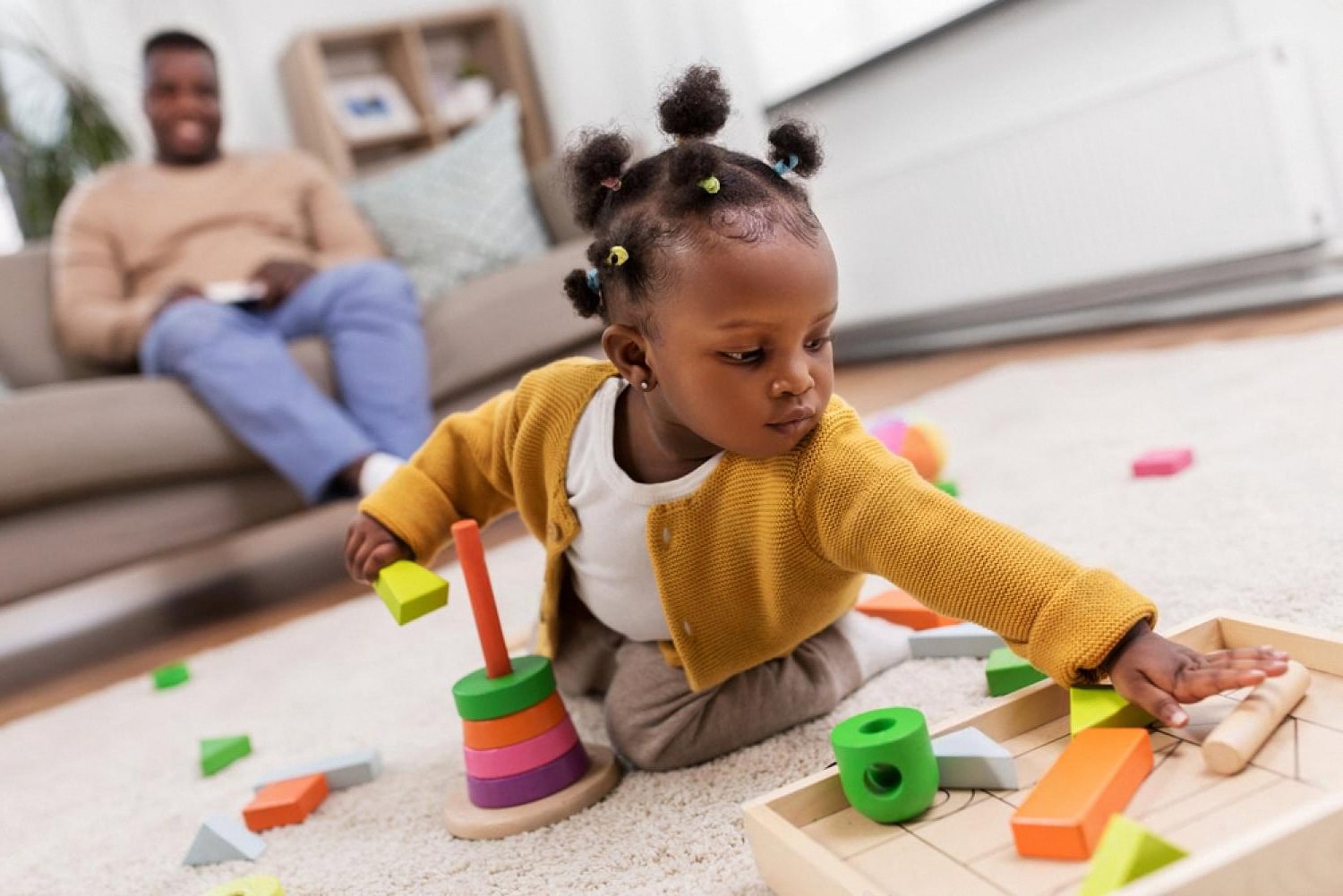
Newborns are wiring up vision, hearing and touch. High-contrast cloth books, textured rattles, soft blocks and simple stacking rings support tracking, grip and the very first cause-and-effect discoveries. This is when talking to the baby while they play matters as much as the toy itself.
1 to 3 years: the moving, naming brain
Toddlers are building gross motor control and their first several hundred words. Push-and-pull toys, chunky puzzles, shape sorters, wooden blocks and simple pretend-play items (a toy kitchen, a doctor kit) do the heavy lifting here.
3 to 5 years: the imagining brain
Pretend play peaks. This is the age where a cardboard box becomes a spaceship. Role-play sets, magnetic tiles, larger construction bricks and beginner board games build symbolic thinking, turn-taking and early executive function.
6 to 8 years: the rule-following brain
Children start to enjoy rules, strategy and mastery. Logic puzzles, coding robots, science kits and cooperative board games strengthen memory, planning and frustration tolerance.
9 to 12 years: the abstract brain
Pre-teens can hold multiple steps in mind, hypothesise and debate. Strategy games like chess, electronics kits, model-building and open-ended engineering sets keep them challenged when many parents assume “toys” are behind them.
The Skills Educational Toys Actually Build
- Fine motor skillsthreading beads, screwing lids, pinching small tiles.
- Gross motor skillsbalance boards, ride-ons, throw-and-catch sets.
- Language developmentpicture books, story cubes, pretend-play props that prompt talk.
- Emotional intelligencedolls, puppets and role-play kits that let kids rehearse feelings.
- Memorymatching-pair games, sequencing cards.
- Creativityopen-ended blocks, art supplies, loose parts.
- Logical reasoningpattern puzzles, marble runs, sorting games.
- Problem-solvingjigsaw puzzles, escape-style logic boxes.
- Executive functioningboard games with rules, planning-heavy building sets.
Practical takeaways
Types of Educational Toys and What Each One Does
Construction & magnetic sets
Wooden blocks and magnetic building tiles train spatial reasoning, early geometry and persistence. Kids who build regularly tend to do better on later maths tasks.
Montessori materials
Wooden toys with a single clear purpose (a knobbed cylinder, a pouring set) teach focus, self-correction and independence. Perfect for ages 1 to 6.
Puzzles & logic games
From chunky wooden inset puzzles at 18 months to slide puzzles and coding robots at 10, these directly work memory, planning and problem-solving circuits.
Open-ended toys deserve a special mention. A basket of wooden blocks, a set of scarves or a magnetic tile pack has no “right” way to be played with, which is exactly what makes them powerful. The child, not the toy, decides what happens. That shift, from consumer to creator, is where a lot of executive-function growth quietly happens.
When choosing educational toys for a UAE household, look for items that can be played with in at least three different ways. If a toy only does one thing when you press one button, it will teach the child one thing and then gather dust.
Brain Skill Development Timeline
| Age | Skills strengthening most | Best-fit toy types |
|---|---|---|
| 0-12 months | Sensory processing, grasp, cause and effect | Rattles, cloth books, stacking rings |
| 1-3 years | Motor control, first words, symbolic play | Shape sorters, chunky puzzles, push toys |
| 3-5 years | Language, imagination, early social rules | Magnetic tiles, pretend-play sets, board games |
| 6-8 years | Reading, memory, rule-based thinking | Logic puzzles, science kits, cooperative games |
| 9-12 years | Abstract reasoning, planning, strategy | Chess, coding kits, engineering models |
What the Research Says
A large body of work from Harvard’s Center on the Developing Child shows that “serve and return” interactions, where an adult responds to a child’s play, are one of the strongest predictors of later cognitive outcomes. Toys that invite conversation beat toys that make noise on their own.
The American Academy of Pediatrics has gone further, arguing that unstructured hands-on play should be treated as a health intervention, not a nice-to-have. Their reviews link active play with better attention, lower stress hormones and stronger executive function.
On the screen-time question, studies consistently find that passive tablet time under age two offers no measurable learning benefit, while hands-on play with a caregiver produces gains in vocabulary and problem-solving that persist into primary school. This does not make screens the enemy; it makes them a poor substitute for a wooden puzzle and ten minutes of adult attention.
The parent takeaway
You do not need an expensive toy shelf. You need a small, well-chosen set of open-ended toys matched to your child’s stage, and a habit of sitting on the floor and playing alongside them. That combination, repeated across years, is what genuinely shapes a developing brain.
Frequently asked questions
Do educational toys really work, or is it marketing?
The category label “educational” is not regulated, so it varies. What the research consistently supports is that hands-on, open-ended toys, used with an engaged adult nearby, produce measurable gains in vocabulary, motor skills and problem-solving compared to passive screen time.
The toy itself is only part of the equation. A basic set of wooden blocks used daily with a talking parent will out-teach a flashy electronic toy used alone.
At what age should children start using learning toys?
From birth. Newborns benefit from high-contrast cloth books, soft rattles and textured objects that support visual tracking and grasp. What changes with age is the type of toy, not whether toys help.
What toys improve IQ the most?
No single toy raises IQ on its own, but categories with the strongest cognitive evidence are construction toys (blocks, magnetic tiles), puzzles, strategy board games and pretend-play sets. These train spatial reasoning, working memory and executive function, all of which correlate with academic performance.
Can toys really improve speech development?
Yes, indirectly. Toys that invite conversation, picture books, pretend kitchens, doll sets, story cubes, give parents and children something concrete to talk about. The talking is what builds vocabulary. Toys that talk to the child on their own tend to reduce parent-child conversation and are less effective.
What are open-ended toys and why do experts recommend them?
Open-ended toys have no fixed outcome. Wooden blocks, magnetic tiles, loose parts, play silks and simple figurines can be used in dozens of ways. Because the child decides what happens, they build creativity, planning and self-direction, skills that closed toys with one function cannot train.
How much screen time is safe compared with active play?
The World Health Organization advises no screen time for children under two and a maximum of one hour a day for ages two to four, with less being better. For older children, the guidance shifts from strict limits to balance: screens should not crowd out active play, sleep or family conversation.
Are wooden toys really better than plastic ones?
Not automatically, but there is a pattern. Wooden toys tend to be simpler, more open-ended and more durable, which means they get used across more ages and in more ways. Good plastic toys exist too. The question worth asking is whether the toy can be played with in at least three different ways.

I am a traveler, blogger, and adventure seeker from Russia.
Traveling is not just a change of places, but a way of life, a way to learn about the world, meet amazing people, and discover new horizons.