
Semi-permanent beauty
A quick reference to lip blushing
Lip blushing, sometimes called lip shading, is a semi-permanent cosmetic tattoo that softens uneven tone and adds a subtle wash of colour to the lips. It is not lipstick, and it is not designed to look dramatic. The table below sums up the essentials before we go deeper into who benefits, how healing unfolds, and how to protect the result in the UAE climate.
Lip blushing at a glance
| Aspect | What to expect |
|---|---|
| Treatment type | Semi-permanent cosmetic tattoo using cosmetic-grade pigments |
| Session length | Around 2 to 3 hours, including numbing and colour matching |
| Sessions needed | Usually two: an initial session and a top-up after 6 to 8 weeks |
| Discomfort level | Mild to moderate, controlled with topical numbing cream |
| Healing time | Surface heals in about 7 to 10 days; colour settles by week 4 to 6 |
| Longevity | Typically 2 to 3 years, longer with a colour boost session |
| Ideal candidate | Pale, uneven, or age-faded lips; anyone wanting low-maintenance colour |
| Downtime | Minimal social downtime; lips may look bright and dry for a few days |
What it actually is
Lip blushing explained
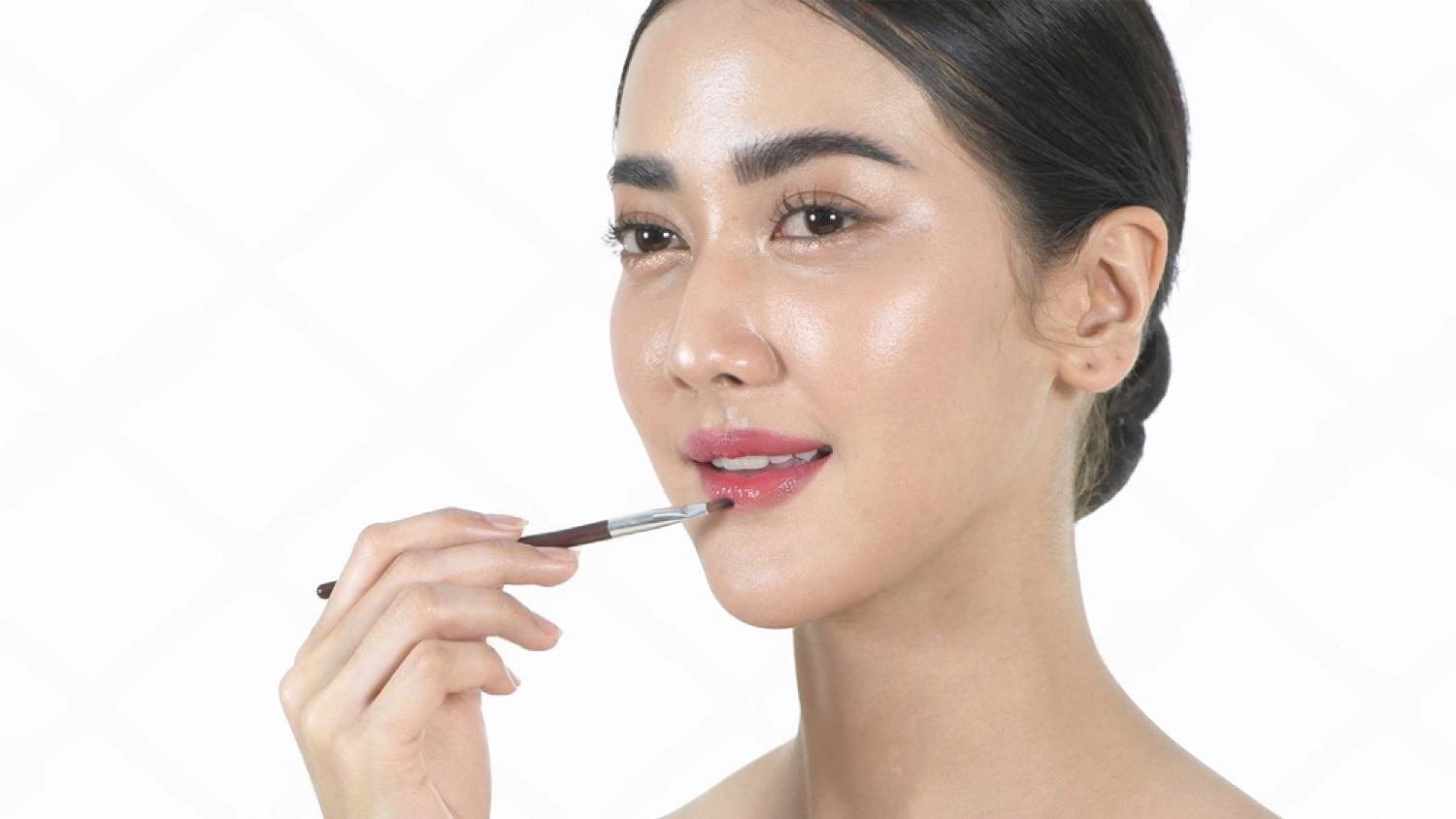
A trained technician deposits fine layers of pigment into the upper layer of the lip using a digital machine and a very thin needle. The goal is to correct dullness, even out patchy tone, and add a natural flush that looks like your lips on a good day, not a painted-on colour. Because the pigment sits in the lips rather than on top of them, the result reads as your own skin tone rather than makeup.
People often confuse three treatments. Lip tinting is a temporary stain that lasts a few hours to a couple of days. Old-school permanent makeup used denser pigments and hard outlines, which is why it aged into blue or grey tones. Modern lip blushing uses softer, iron-oxide-based pigments and a shading technique with no harsh liner, so results fade gently and stay warm.
A common myth is that the treatment gives you lipstick lips forever. It does not. Another is that it damages your natural lip texture. When done by a qualified artist in a licensed clinic, it does not thin the lip or scar the tissue. If you are researching lip blushing in Dubai ask to see healed photos rather than fresh ones, since fresh work always looks brighter than the final result.
Suitability
Who benefits most from lip blushing
The table above lists ideal candidates in one line, but each case has its own reasoning. Below are the profiles that see the strongest, most natural results, and a couple of situations where a specialist consultation matters more than usual.
- Pale or uneven lip colour. A warm neutral pigment brings the lips into balance with the rest of the face.
- Naturally dark lip pigmentation. Correction is possible but usually requires more sessions and a neutralising undertone before the final colour.
- Lips that have lost colour with age. Volume changes with time, and pigment loss is one of the reasons mature lips look thinner. Blushing restores warmth without fillers.
- Busy professionals. Anyone who does not want to reapply lipstick between meetings appreciates waking up with colour already there.
- Fuller-lip effect without injectables. Careful shading toward the border creates a visual lift, especially on thinner lips.
- Subtle enhancement seekers. If you want people to say you look well rested rather than ask where you got your lips done, this is your treatment.
People with active cold sores, uncontrolled diabetes, keloid scarring history, or those pregnant or breastfeeding should postpone. A patch test is standard in reputable UAE clinics because iron-oxide pigments are generally well tolerated, though allergy testing is still good practice according to peer-reviewed cosmetic tattoo literature.
The healing timeline, stage by stage
The row in the summary table shows a rough healing window, but the day-to-day experience matters more than the headline number. Colour will look intense at first, then fade dramatically, then rebuild. This is normal and is the single biggest reason clients panic without cause.
- Day 1 to 3. Lips look bright, slightly swollen, and feel tender. Colour appears far darker than the final result. Keep the area clean, blot with a tissue, and apply the ointment your technician gives you in a thin layer.
- Week 1. A light film or flaking develops as the surface skin turns over. Do not pick or peel. Let it come off naturally in the shower. Around day 5 to 7 the lips may look patchy or almost colourless in places. This is the pigment settling, not disappearing.
- Weeks 2 to 4. Colour begins to return from underneath as the skin finishes healing. Tone evens out, and the sharpness of the first days softens into a natural blush.
- Final healed colour. By week 6 the pigment reveals its true shade, usually 30 to 50 percent softer than day one. This is when you and your artist decide whether the top-up session should intensify colour, balance a shape, or leave things as they are.
Contact your technician if you see spreading redness, pus, fever, or unusual pain beyond mild tenderness. Standard healing is uncomfortable but not painful, and infection is rare when aftercare is followed.
Protect the result
Before and aftercare in the UAE climate
Dubai heat, air-conditioning, and beach weekends all pull moisture from healing lips. Preparation and aftercare are what separate results that last two years from results that fade in eight months.
- Before your session: skip alcohol, caffeine, aspirin, and fish oil for 24 to 48 hours to reduce bleeding and sensitivity.
- Hydrate. Well-hydrated lips take pigment more evenly. Start moisturising a week ahead.
- No exfoliation on the lips for at least three days before treatment.
- After your session: keep lips clean and lightly moisturised with the balm your artist provides.
- Avoid swimming pools, saunas, hammams and long sun exposure for at least 10 days. Chlorine and UV are the two biggest fade accelerators.
- Foods to avoid: spicy dishes, citrus, very hot drinks, and salty snacks for the first week. Use a straw where possible.
- No makeup on the lips until fully healed, usually 10 to 14 days.
A simple recommendation
If you are new to semi-permanent makeup, book a consultation before committing. A good artist will colour-match against your natural undertone, walk you through healed photos of previous clients, and confirm whether one session or a correction protocol suits you. In the UAE, a licensed clinic will also patch test and use single-use, sterile equipment. Established studios such as this beauty salon in Dubai offer that consultation as a standard first step, which makes the whole process feel less like a leap and more like a plan.
Frequently asked questions
Does lip blushing hurt?
Most clients describe it as mild to moderate discomfort rather than pain. A strong topical numbing cream is applied before the session and reapplied as needed, so the lips feel tingly or slightly scratchy rather than sharp.
Sensitivity varies with your cycle, caffeine intake, and sleep, so plan the appointment on a low-stress day.
How long does lip blushing last?
Typically two to three years, depending on skin type, lifestyle, sun exposure, and how faithfully you follow aftercare. Oily skin and frequent swimming tend to shorten the lifespan.
A colour boost session every 12 to 18 months keeps results looking fresh without starting the process over.
Can naturally dark lips be corrected?
Yes, but dark lips need a neutralising step first. Warm orange or peach undertones are layered to counter the cool pigment already in the lips before the final shade is applied.
Expect two or sometimes three sessions spaced several weeks apart for a balanced, natural result.
How many sessions will I need?
Most clients need two sessions: the initial appointment and a top-up between six and eight weeks later. The top-up refines shape, evens colour, and locks in the final tone.
Correction cases or very light initial applications may require a third visit.
Can I wear lipstick after lip blushing?
Once the lips are fully healed, usually after two weeks, you can wear any lipstick, gloss, or balm you like. The blushing sits under the makeup and gives you a better base to work with.
During the healing window, keep the lips bare apart from the ointment your technician recommends.
Will the colour look too bright at first?
Yes, and this is expected. Fresh pigment always appears more saturated because the top layer of skin still holds excess colour. Within a week the surface sheds and softens the shade considerably.
The healed result is usually 30 to 50 percent softer than what you see on day one.
Is lip blushing safe if I get cold sores?
The treatment can trigger a flare-up in people who are prone to cold sores because the skin is stimulated during the session. Speak to your doctor about a short course of antiviral medication starting a day or two before your appointment.
Never book a session while an active cold sore is present.
I am a traveler, blogger, and adventure seeker from Russia.
Traveling is not just a change of places, but a way of life, a way to learn about the world, meet amazing people, and discover new horizons.